

“Whatever you do in life will be insignificant but it is very important that you do it.” – Ghandi
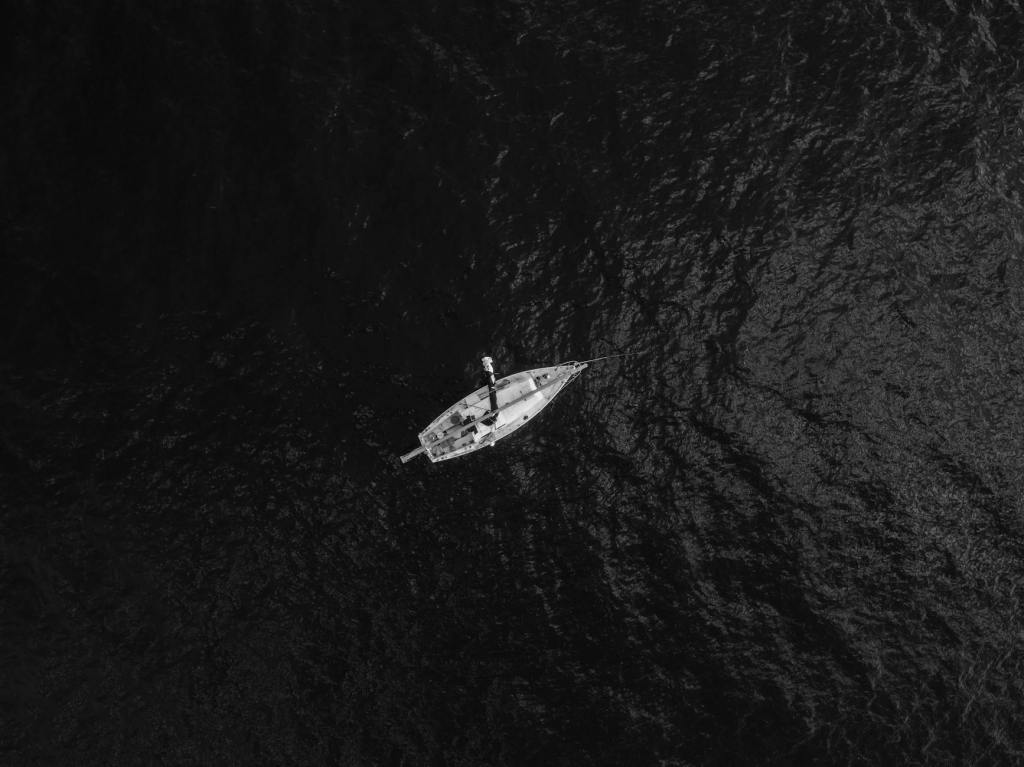
The quote by Gandhi, “Whatever you do in life will be insignificant but it is very important that you do it,” speaks to the paradox of human existence—the idea that individual actions may seem small in the grand scheme of life yet carry profound meaning and impact in the context of our personal experiences and relationships. This sentiment resonates deeply with Stephen Crane’s short story “The Open Boat,” where the struggle for survival against the vastness of the ocean illustrates the insignificance of individual lives against nature’s enormity.
In “The Open Boat,” four men—a captain, an oiler, a correspondent, and a cook—find themselves adrift in a small dinghy after their ship capsizes. Their fight against the relentless waves exemplifies the insignificance of humanity when faced with nature’s indifferent power. The characters often reflect on their existence and the futility of their struggle; yet, it is precisely this struggle that defines their humanity. They work together, driven by a shared will to survive, illustrating that while their individual actions may seem inconsequential in the face of the ocean’s vastness, their collective effort becomes a testament to human resilience and determination.
Importantly, each man carries a personal history and a unique significance to his family back home. The oiler, for instance, is not merely a sailor but a son, a brother, and perhaps a husband. The same can be said for the captain, the correspondent, and the cook—they are all loved and relied upon by their families. Yet, once they are cast into the indifferent ocean, their individual identities are overshadowed by the sheer enormity of their situation. In the face of the relentless sea, they become mere specks, insignificant and vulnerable to the elements. The ocean, in its vastness, does not recognize their roles as husbands, fathers, or sons; to it, they are inconsequential.
This juxtaposition highlights a poignant irony: while their lives are of great importance to their families, their individual existences are rendered meaningless in the context of nature’s vastness. The men’s lives matter in the realm of human relationships and emotional bonds, but in the face of the ocean, they struggle against an entity that is indifferent to their significance. This creates a tension between their identities as loved ones and their struggle for survival in an environment that cares little for their humanity.
The characters’ experiences underscore the importance of action, even when the outcome appears bleak. Crane portrays their moments of despair and vulnerability, yet these moments are juxtaposed with their unyielding spirit to keep rowing, to maintain hope, and to support one another. The captain’s leadership, the oiler’s strength, and the correspondent’s reflections on their plight reveal that each individual’s contribution, no matter how small, plays a vital role in the shared human experience.
Gandhi’s quote suggests that the significance of our actions lies not in their outcomes but in the intention behind them and the connections they foster. In “The Open Boat,” the men’s camaraderie becomes a source of strength, emphasizing that their collective struggle is a meaningful endeavor despite the overwhelming odds against them. The story conveys that even when faced with the vastness of the universe and the apparent insignificance of individual lives, the act of striving, of doing, and of caring for one another holds immense value.
Ultimately, both Gandhi’s philosophy and Crane’s narrative highlight the importance of engaging with life, regardless of the perceived insignificance of our actions. Each stroke of the oars in the dinghy is a small but vital act of defiance against the indifferent sea, reminding us that the journey and the connections we forge in the process are what truly enrich our existence. In the face of life’s challenges, it is imperative that we act—because it is through our actions that we find meaning, purpose, and a sense of belonging. The men’s struggle to survive becomes not just a fight for their own lives but a reflection of their significance to their families, ultimately underscoring the dual nature of existence: our individual lives may seem small against the backdrop of the universe, but the love and connections we foster carry an irreplaceable weight.
 My Journey
Leave a comment