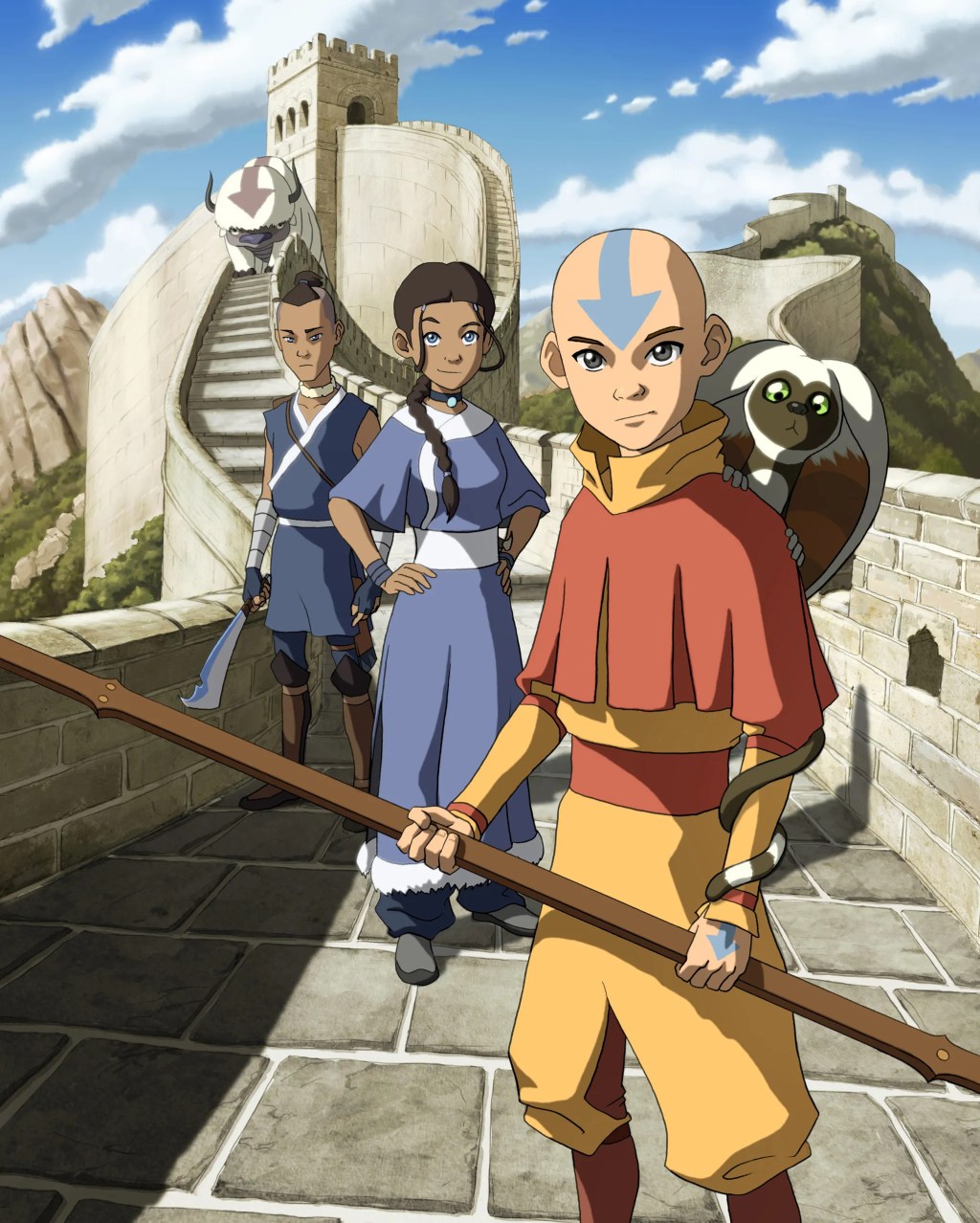
Avatar: The Last Airbender is a TV series on Nickelodeon. It ran from 2005 to 2008 (Avatar: The Last Airbender). In the show, Avatar: The Last Airbender, many of the people are gifted with a skill called bending. Depending on which nation you are from you may be able to bend air, water, fire, or earth. The Avatar is the master of all four elements, making him the most powerful. He can be born into any nation. When the Avatar dies he is reincarnated into a different nation. The Avatar’s job is to bring peace and balance to the world. Avatar: The Last Airbender contains many mythological themes and archetypes. One of these themes is death by water and water as a cleansing agent. Another is hubris and the last is the hero pattern.
In mythology death by water symbolizes rebirth. This rebirth symbolizes the old self being washed away and a new and better person being born. Water is also used as a cleansing agent in mythology. In Avatar: The Last Airbender some water benders have a special ability called healing. With this ability they are able to use water as a cleansing agent and heal wounds. Sometimes in healing, the benders use spirit water, which is full of spiritual energy and therefore stronger and more effective in healing than regular water. This spiritual water can be found where spiritual energy is considered to be very strong, like in a temple. The Bhanti Village Temple, located in the Fire Nation contains a spirit water pool.
In Book Two: Earth, Chapter 20, “The Crossroads of Destiny,” Avatar Aang is killed by Azula’s lightning bolt. Azula is the Fire Nation princess and also a firebender. Using a lightning bolt during firebending is a subskill of firebending much like healing is a subskill of waterbending. After Aang is killed, Katara, a waterbender with healing abilities, takes Aang on to his Sky Bison, Appa; Katara then has Appa fly so that they are away from the enemies. While they are on Appa, Katara uses spirit water to heal Aang’s wound (See Figure 1).
Aang was reborn through the water’s cleansing properties. His rebirth allowed him to continue to be the Avatar and fulfill his purpose in life. Because of his rebirth he was a better and more determined person. This event is symbolic of death by water and using water as a cleansing agent. Through Katara’s healing, Aang was able to be reborn and fulfill his life mission of bringing peace and balance to the world. Without water being a cleansing agent this would not have been possible.
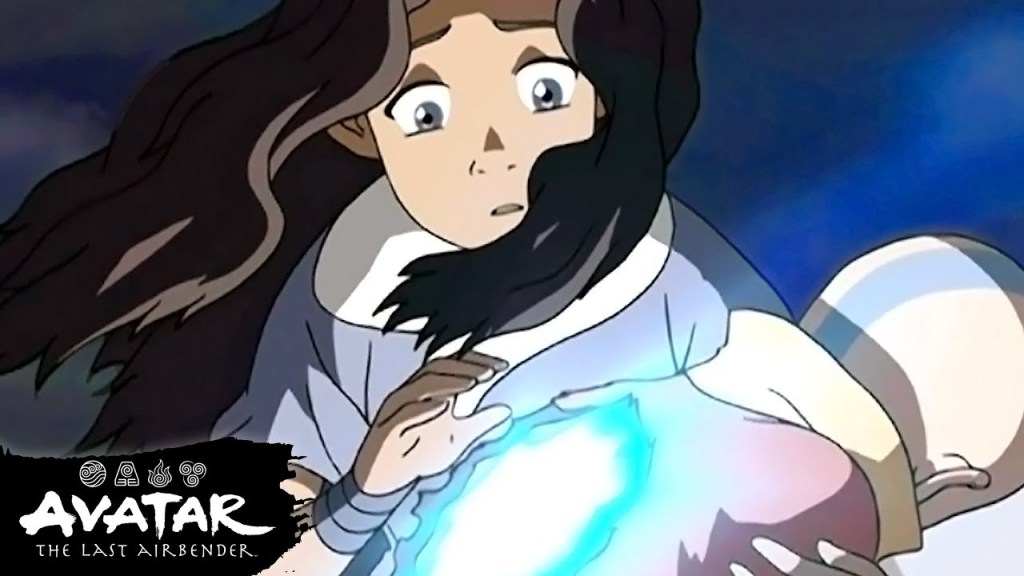
Figure 1: Avatar: The Last Airbender, Book 2: Earth, Chapter 20, The Crossroads of Destiny.
Avatar: The Last Airbender also contains hubris. Hubris is when someone aspires to a higher level and thinks the laws don’t apply to them. They are also punished either on earth or in the underworld.
Waterbenders get their powers from the moon, so when the moon is full, their powers are strongest. During the full moon some waterbenders can bloodbend. This skill was discovered while a waterbender named Hama was in a fire nation prison. She practiced on the rats that ran around the prison (See Figure 2). She found she was able to control them by bending the fluids in their body. She used bloodbending to escape the prison by bending the guards.
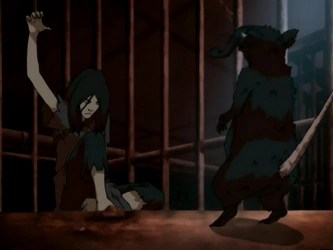
Figure 2: Avatar: The Last Airbender, Book 3: Fire, chapter 8, The Puppetmaster
In Book 3: Fire, chapter 8, The Puppetmaster, bloodbending is introduced. While Aang, Katara, Sokka, and Toph are in a village they hear of strange disappearances. They begin talking to the woman running the inn they are staying at and learn she is a waterbender named Hama. Katara and Hama bond, and eventually Hama shows Katara bloodbending. Katara finds out that all of the strange disappearances are because Hama was kidnapping people using bloodbending. Hama’s goal is to pass on bloodbending to another waterbender and she succeeds in this when she forces Katara to use bloodbending. Hama attacks Katara and her friends using bloodbending and the only way to save them is by using bloodbending on Hama (See Figure 3).
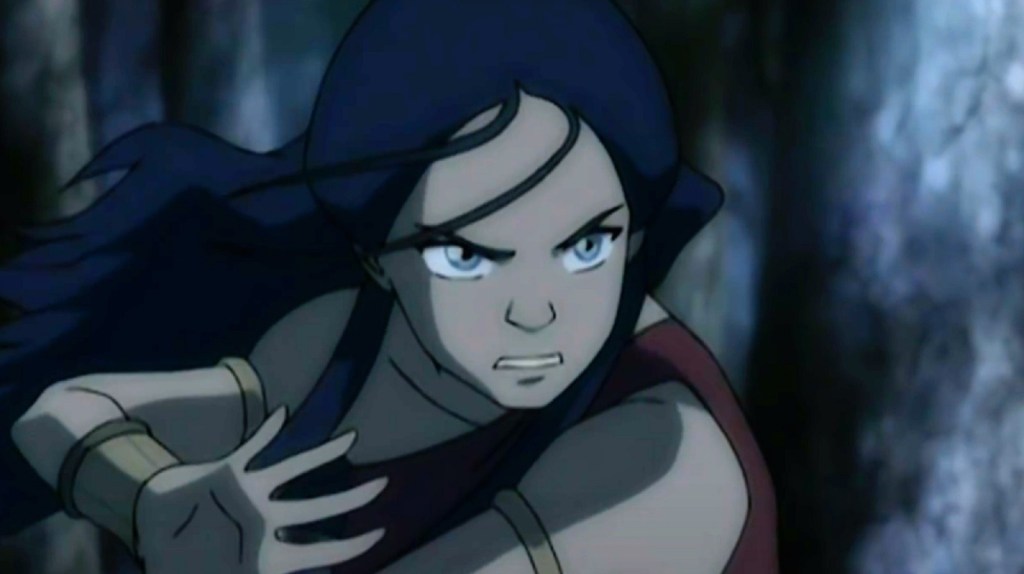
Figure 3: Avatar: The Last Airbender, Book 3: Fire, chapter 8, The Puppetmaster.
Bloodbending is considered hubris because it gives humans too much power. Hama says to Katara, “Once you perfect this technique, you can control anything or anyone” (Avatar: The Last Airbender, Book 3: Fire, chapter 8, The Puppetmaster). Humans are not meant to control everything and everyone, that is a job for the gods, or in this case the Avatar, so in return Katara says, “But … to reach inside someone and control them? I don’t know if I want that kind of power” (Avatar: The Last Airbender, Book 3: Fire, chapter 8, The Puppetmaster). The Avatar is supposed to have the most power and bloodbending is considered hubris against him because it cannot only completely control other peoples actions, but it can also control his, as was proven when Hama used bloodbending on Aang. Bloodbending is no longer legal, as it is too dark and powerful for any bender to take advantage of. Hama is punished on earth for her hubris; she is imprisoned for the rest of her life.
Avatar: The Last Airbender also shows the hero pattern. In mythology heroes go through a pattern starting with a special birth. Then, they voluntarily or involuntarily go into exile, meet the monster, and then get the girl. Aang has a special birth because he is born as the avatar, who is able to bend all four elements. Only one avatar is born at a time because it is the same soul reincarnated. This began back in the beginning of their history. The reincarnated soul goes through each nation, fire, air, water and then earth. The avatar has a connection to all of his past lives and can speak to each of them for advice.
Aang is first involuntarily thrust into exile because as the avatar he has responsibilities, which he does not want. He is scared of all that he is supposed to do because he is only twelve years old so he runs away and hides. Eventually, Katara and Sokka find him, years later, frozen with his sky bison. He learns that while he was frozen all of the air nation was killed by the fire nation and he now voluntarily accepts his duties as the avatar and gets to work.
The main monster in this series is the Fire Lord, ruler of the fire nation. The fire nation has attacked and tried to take over the world. They are causing chaos and it is Aang’s mission to stop it. He meets the monster in Book Three: Fire, chapter 20, Sozin’s Comet, Part 3: Into the Inferno. He is first unable to defeat Fire Lord Ozai in this episode because he does not want to kill him because it is against his beliefs. In the next episode, Book Three: Fire, chapter 21, Sozin’s Comet, Part 4: Avatar Aang, Aang goes into the avatar state to overpower the Fire Lord (See Figure 4). In his powerful state he takes away the Fire Lords bending abilities to defeat him; this is a skill that only the avatar has called energybending. In taking away his bending, he defeats the monster.
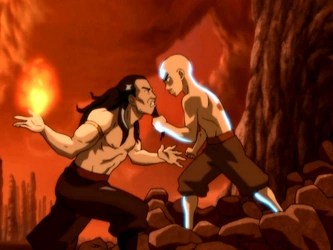
Figure 4, Avatar: The Last Airbender, Book Three: Fire, Chapter 21, Sozin’s Comet, Part 4: Avatar Aang
After the defeat of Lord Ozai, the war is declared over by Ozai’s son and Aang’s friend, the new Fire Lord, Zuko. After this Aang and Katara kiss which is symbolic of the hero getting the girl (see figure 5). All through Aang’s journey, Katara has been by his side. She has been his support and he has always liked her. When he kisses her this is his final step in completing the hero pattern because he finally gets his girl.
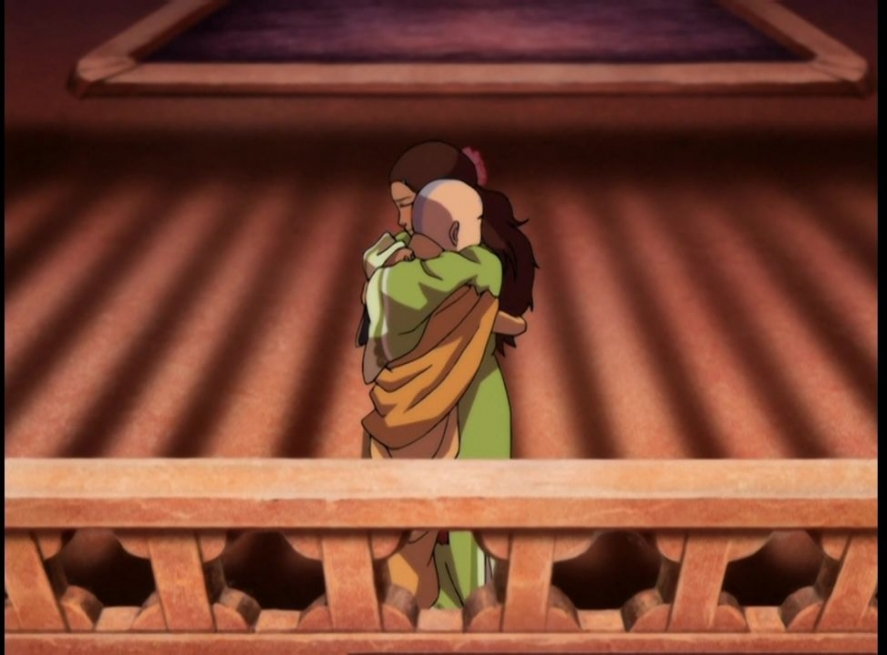
Figure 5, Avatar: The Last Airbender, Book Three: Fire, chapter 21, Sozin’s Comet, Part 4: Avatar Aang
Avatar: The Last Airbender has many mythological themes and archetypes. When Katara brings Aang back to life using her waterbending powers it is an example of water as a cleansing agent. His rebirth after her success is an example of death by water. Bloodbending, used by anyone, is an example of hubris because is gives an ordinary bender too much power. That kind of absolute power over someone is limited to the avatar and is only used with energybending. The hero pattern is also shown in Aang’s journey to save the world when he has his special birth as the avatar, is thrown into exile, meets the monster, and then gets the girl.
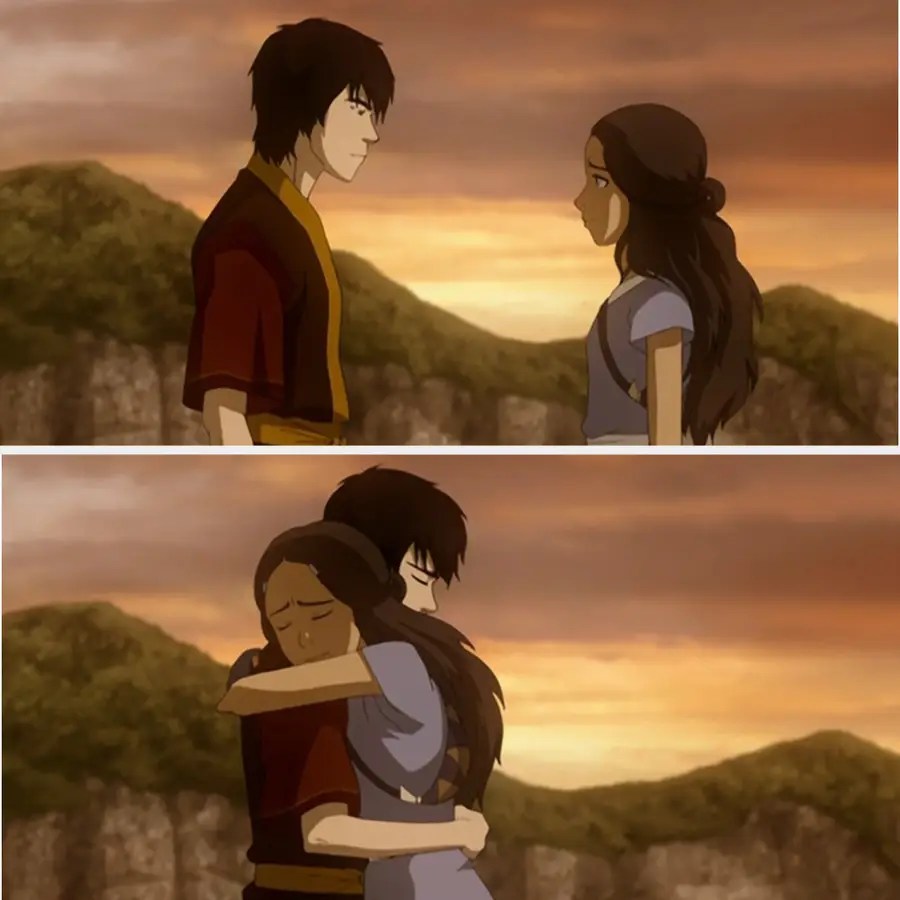
Thanks for reading one of my old college papers! Are you a Kataang fan or a Zutara fan? I'm Zutara all the way! Let me know in the comments!
 My Journey
Leave a comment